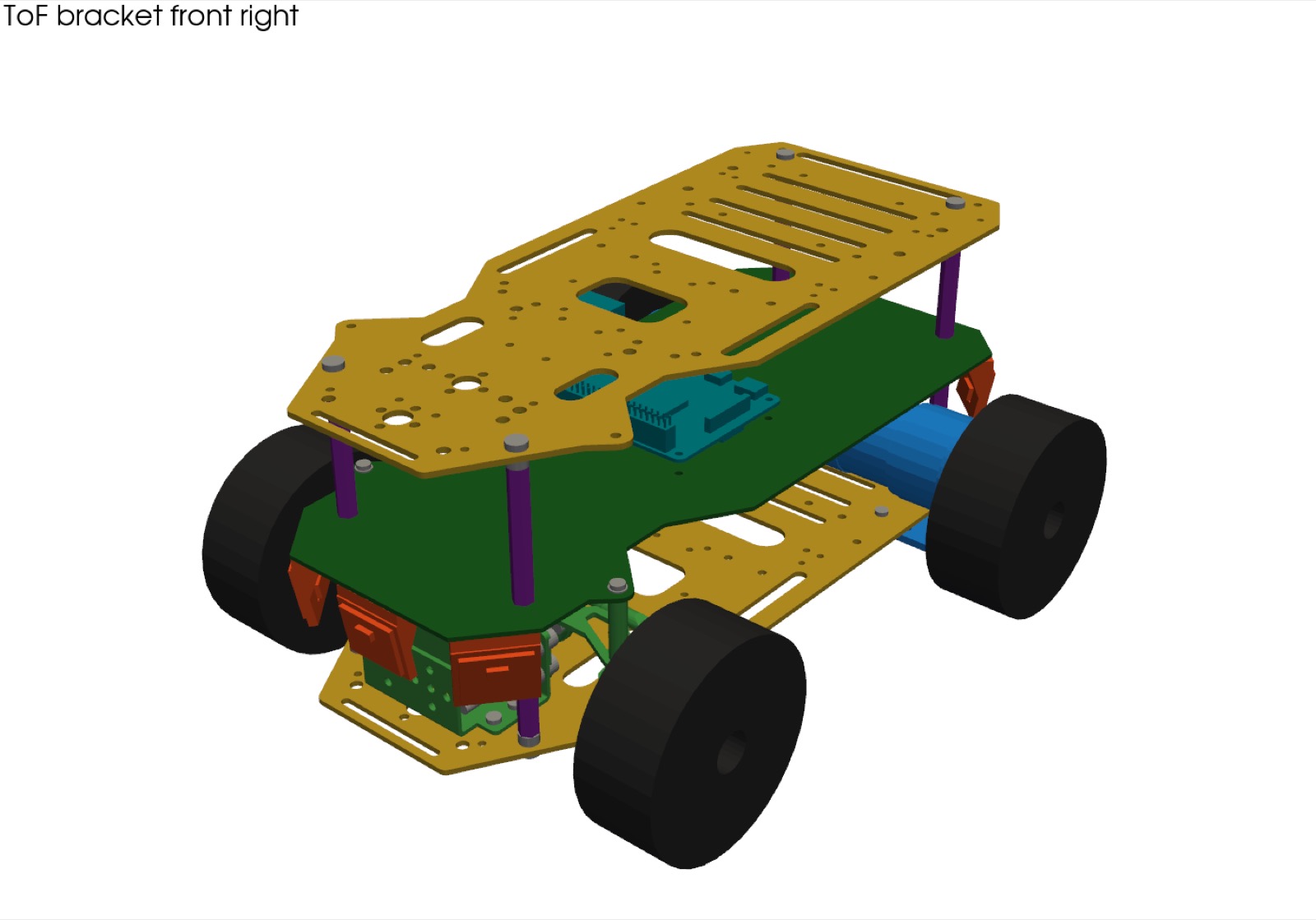
How the process works. Everything that can be code is code, and agents run the loop "edit, build, check":
- mechanics: build123d on OpenCascade, a live three.js viewer, collision checks with manifold3d in 3 seconds instead of 8 minutes of exact booleans, renders for me
- the board: schematic and placement in design.py, KiCad builds the board from a script, fastroute (a Rust port of Freerouting: fanout in 25 s instead of 37 minutes) routes it, kicad-cli does DRC and the factory files, the JLCPCB API gives stock and prices
- models: Claude does the work, independent agents review against datasheets, Fable gives a second opinion, Jev from TypeSafe cross-checked the chassis part names
- all datasheets now live in the repo, and every number in the schematic points to a page
The main rule: one agent does, another checks. Every review writes a report with numbered findings, and the fixes are recorded separately, so you can see what was found and what was done about it.
And it's a great feeling: a program for any task gets written in minutes, right along the way. Needed a 3D renderer, a ray tracer for the sensors, a collision check, a script for the JLCPCB stock, and there it is, made exactly for this project. We don't care what that code looks like, we're not publishing it: these are ad-hoc tools to get to the goal. Basically, nothing holds you back.
I counted from the logs what this costs. From 2 to 11 October: 8 sessions over 6 working days, 3.3 billion tokens, almost all of it the context re-read from cache, and 3.1 million output tokens. Without a subscription, at Opus 5.5 API prices, it would have been ~$1,200-1,500.